
LATEST NEWS
Our Blog
Stay updated with the latest news, expert advice, and maintenance tips for your Range Rover or Land Rover engine.


Stay updated with the latest news, expert advice, and maintenance tips for your Range Rover or Land Rover engine.
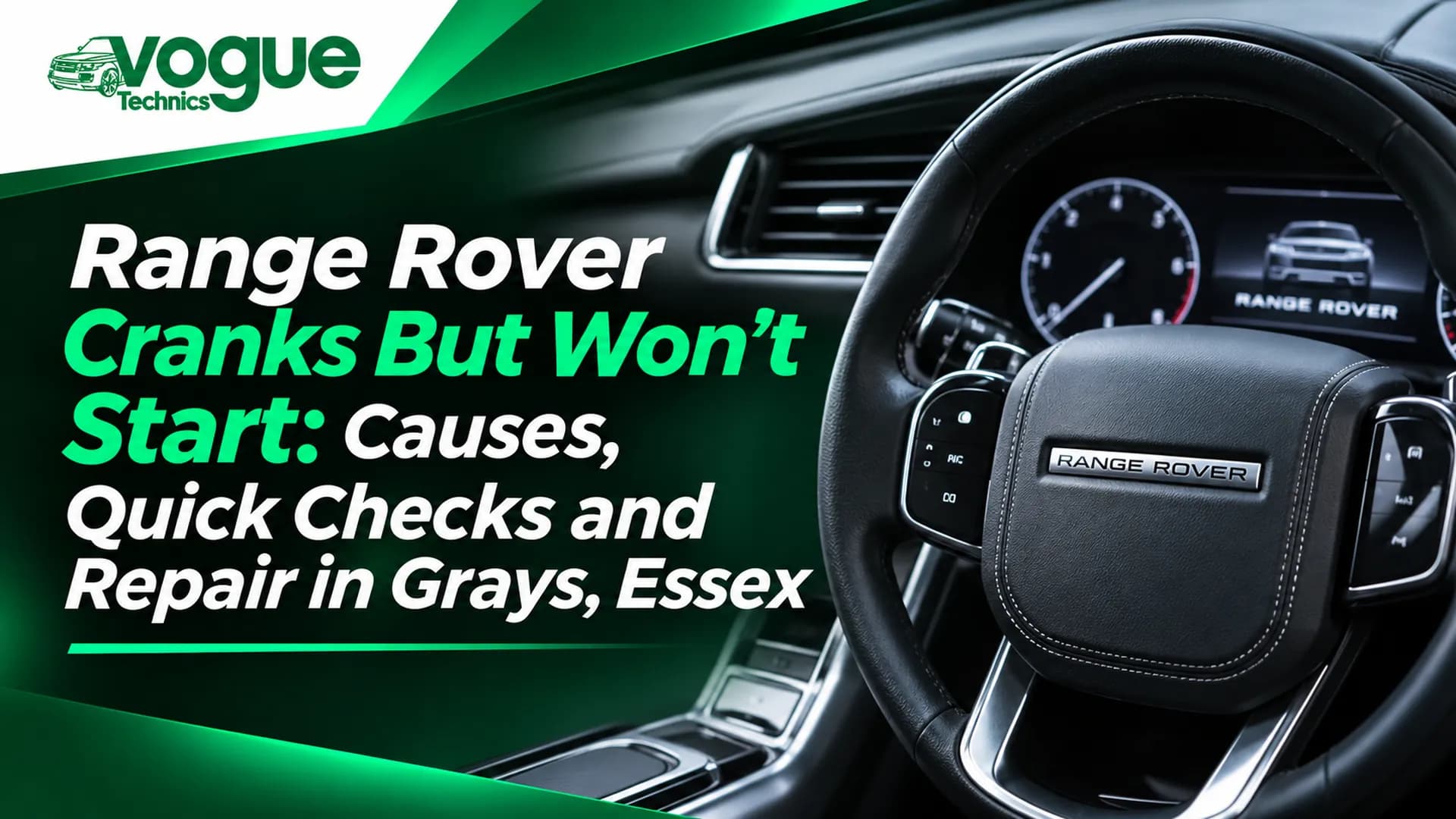
A Range Rover that cranks but won't start usually points to fuel delivery, a weak battery, a failed sensor or an immobiliser fault. This guide covers the common causes across the Range Rover Sport, Evoque, L322, P38 and Discovery models, plus safe checks you can do before calling a garage. It also explains what a proper diagnosis involves and what repairs typically cost. If you are stuck, Vogue Technics in Grays, Essex can diagnose the fault and get you moving again.
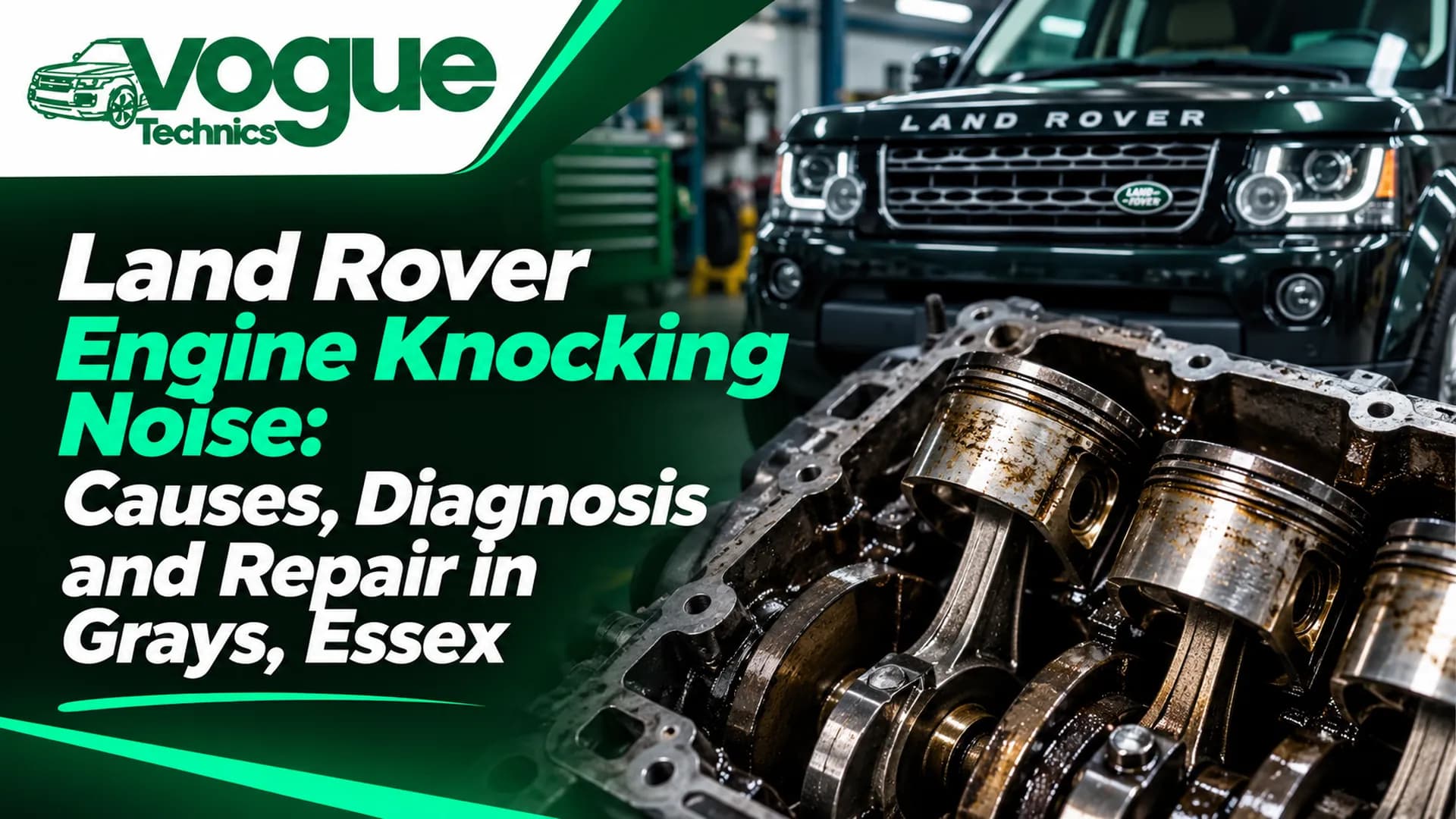
A Land Rover engine knocking noise can mean anything from low oil to failing bearings, and the sooner you identify it, the less it costs to fix. This guide explains the common causes across Discovery, Range Rover, Evoque and Velar models. It shows how to tell a harmless tick from a serious knock, and when to stop driving. You will also see how Vogue Technics in Grays, Essex diagnoses and repairs these faults.
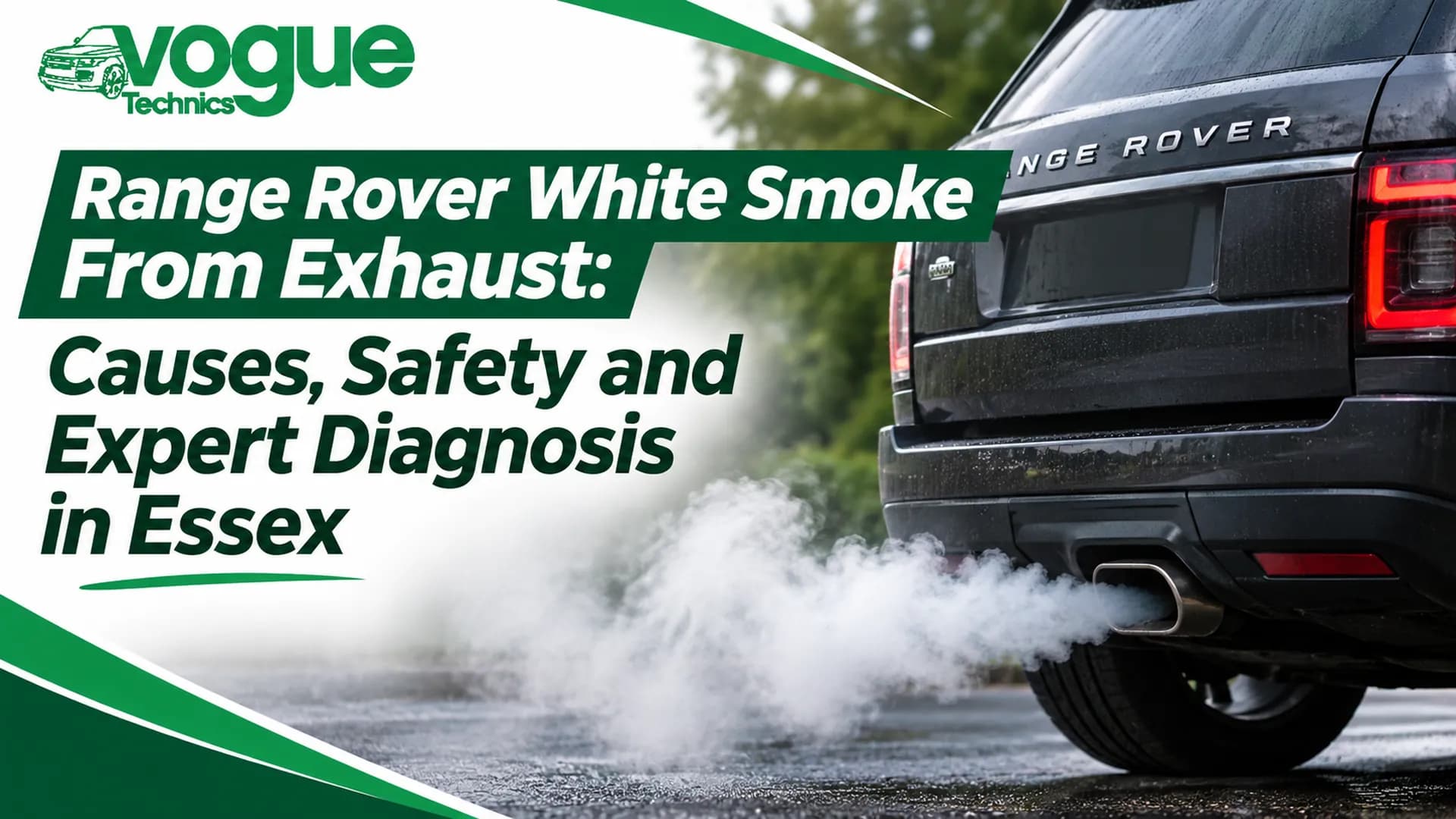
White smoke from a Range Rover exhaust can be harmless condensation or a sign of coolant entering the engine. This guide explains how to tell the difference by colour, smell and timing, and covers common causes such as head gasket failure, EGR cooler faults and oil-related smoke. You will also learn how long you can safely drive and what to check first. Vogue Technics in Grays, Essex can diagnose and repair the fault properly.
A Range Rover restricted performance warning means the car has detected a fault and cut power to protect the engine or gearbox. This guide explains what the message and warning lights mean, whether it is safe to keep driving, and the most common causes, including throttle body faults, boost leaks and problems after a battery change. You will also learn why a proper diagnostic scan beats a quick reset, and how Vogue Technics in Grays, Essex can diagnose and repair the fault.
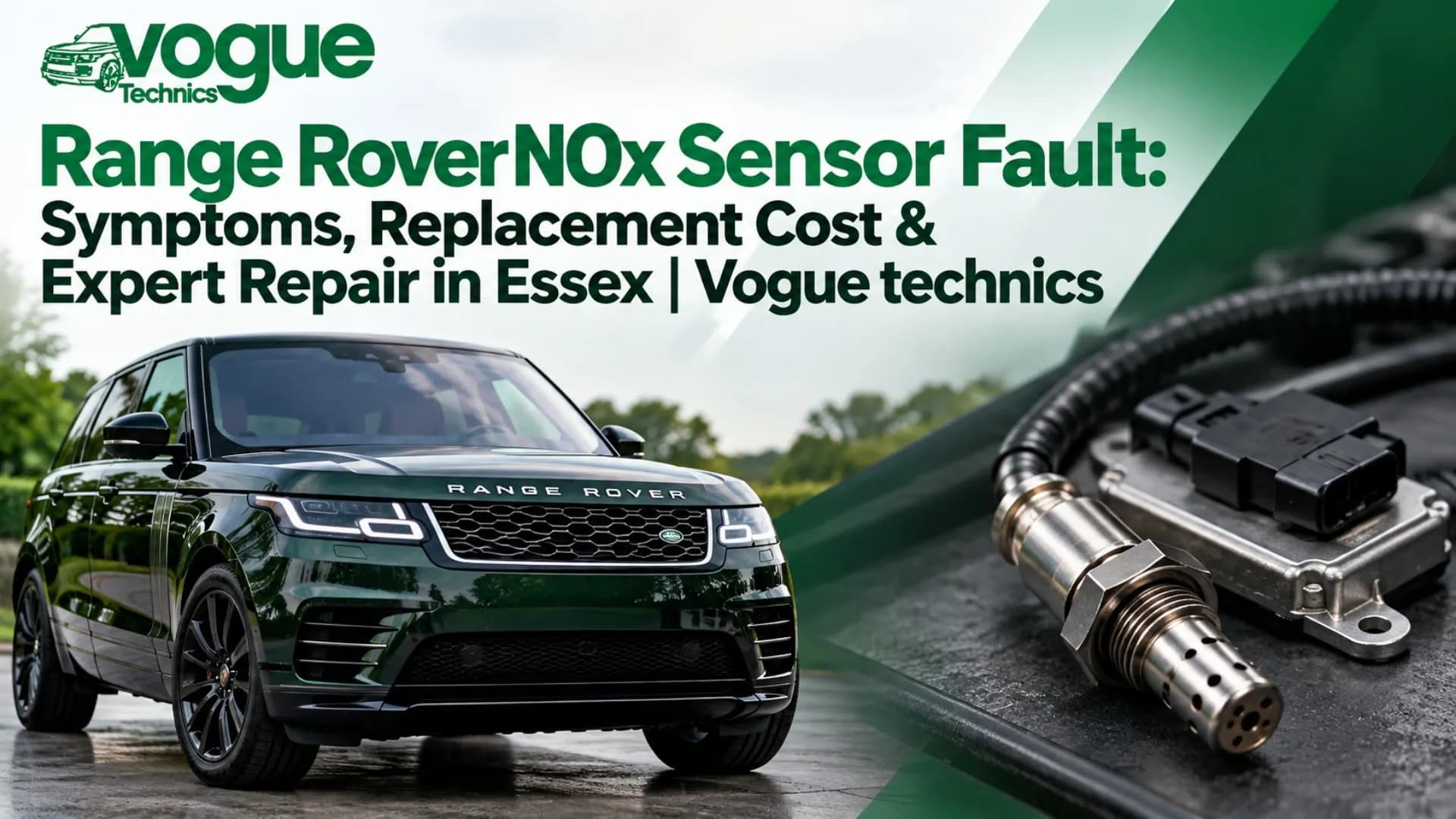
A Range Rover NOx sensor fault can trigger engine and AdBlue warnings, limp mode and failed emissions checks, but the sensor isn't always to blame. This guide covers sensor locations across Range Rover, Sport, Velar and Evoque, key symptoms, and realistic UK repair costs. You'll also see how Voguetechnics in Grays, Essex diagnoses, resets and repairs the fault properly.
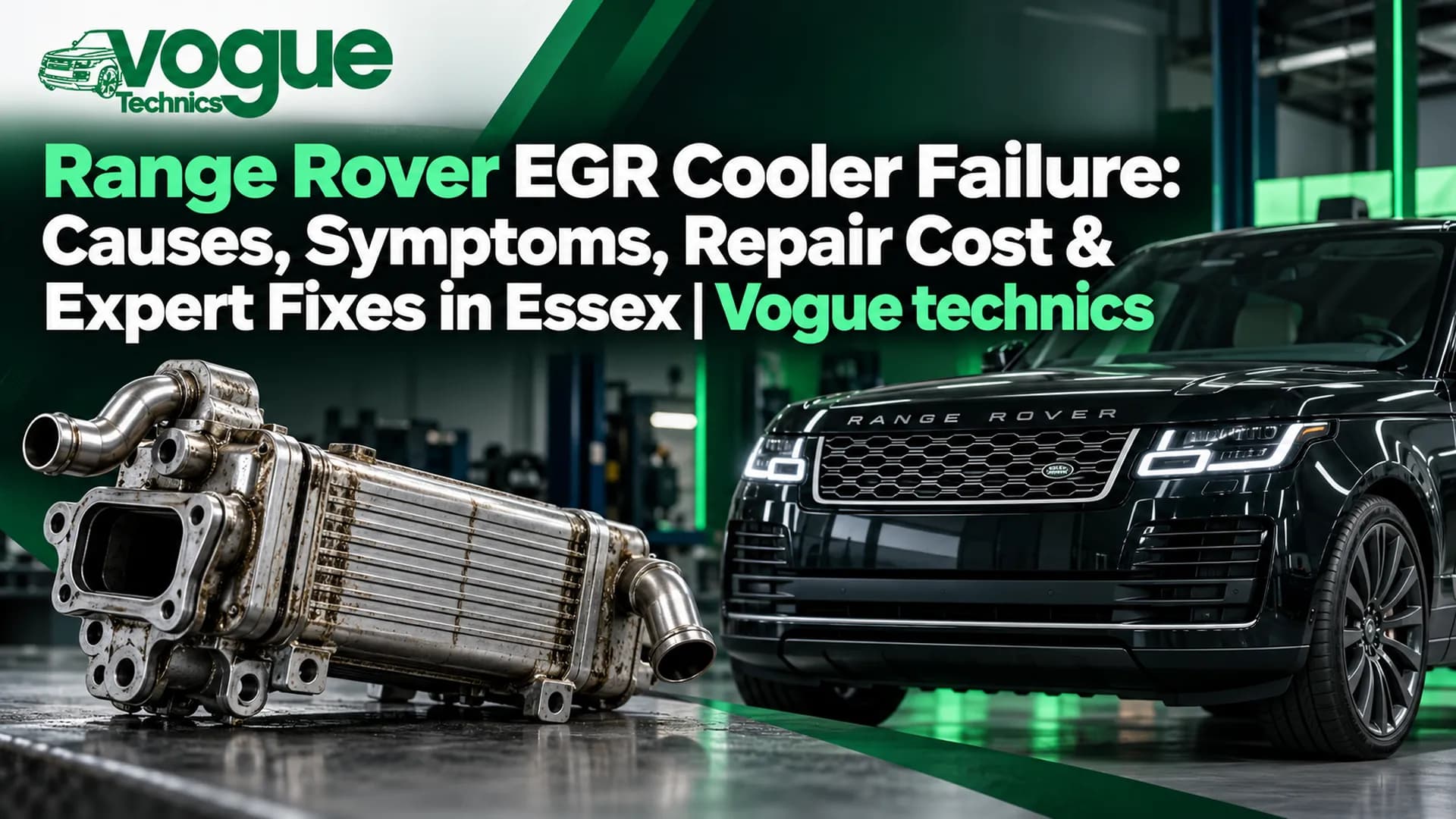
Range Rover EGR cooler failure can cause unexplained coolant loss, white exhaust smoke and sudden power drops. This guide explains what causes it, which warning signs to watch for and what damage it can do if ignored. You'll also find realistic UK repair costs by model year and a look at how Voguetechnics diagnoses and fixes the fault in Grays, Essex.

Range Rover DPF replacement cost depends on your model, engine, filter type and the fault behind the failure. This guide explains the warning signs, the common causes and how to choose between cleaning and replacement. You'll also see how a proper diagnosis can save you from paying for the wrong repair. Get honest advice and a clear quote from our Grays, Essex specialists.
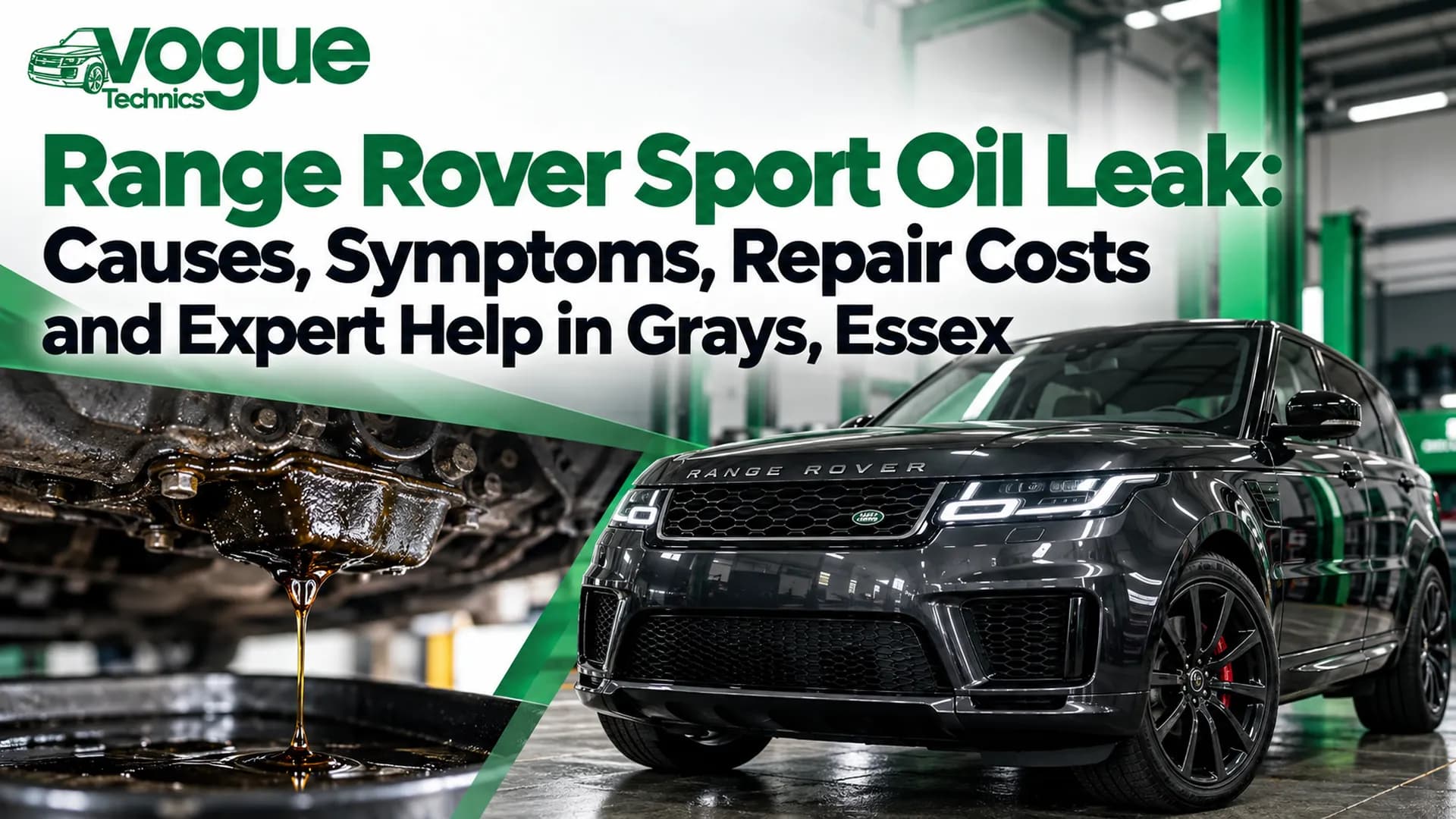
Spotting a Range Rover Sport oil leak? Find out what causes it, what repairs cost and how Vogue Technics in Grays, Essex can fix it properly. Book today.
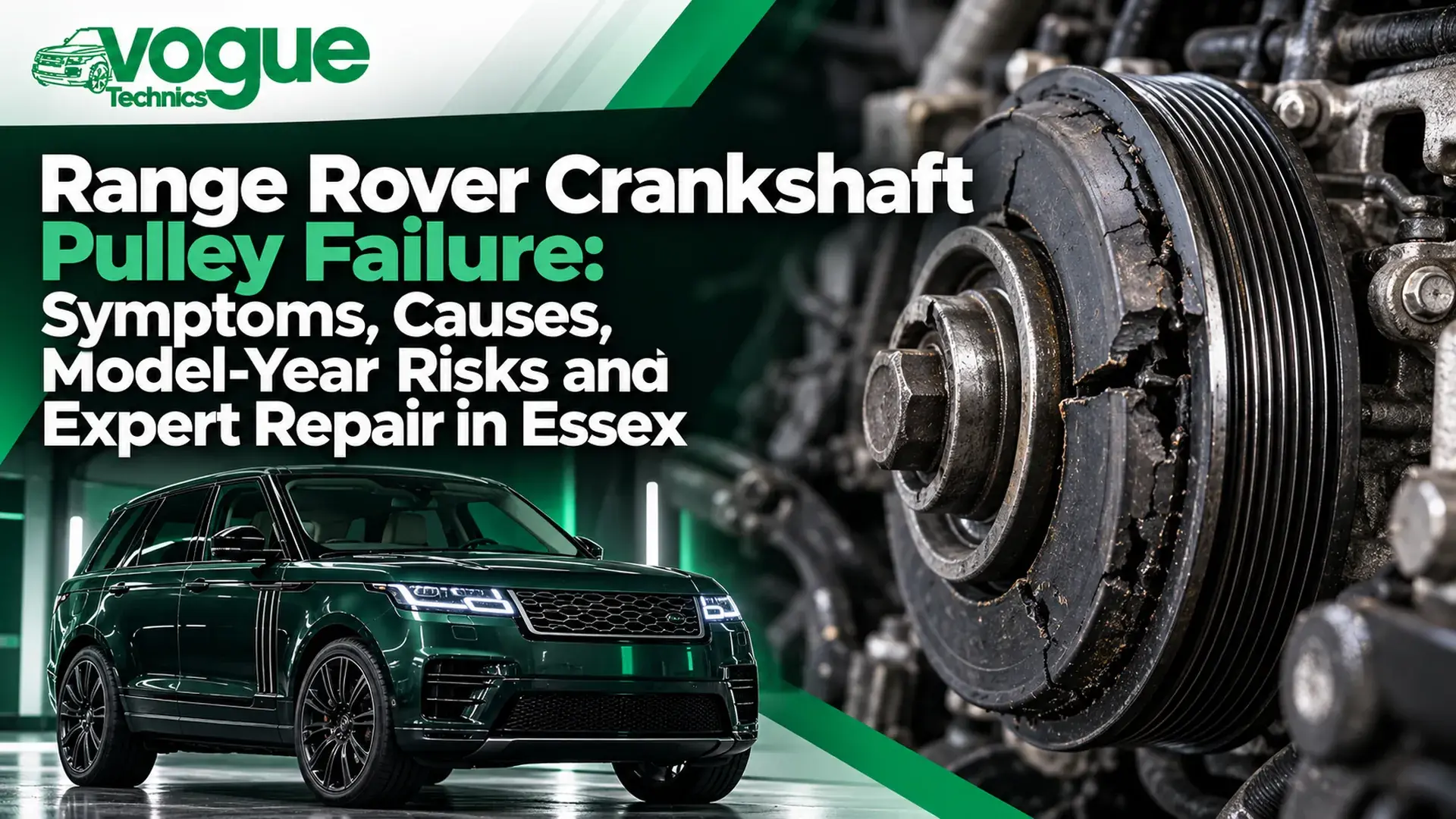
Range Rover crankshaft pulley failure often starts with a rattle, a squealing belt or a charging warning light, and it can lead to a snapped belt and overheating if ignored. This guide explains what the pulley does, what causes it to fail and how risk changes across 2012 to 2018 models. You'll also learn what replacement involves and why a Land Rover specialist makes the repair last. Vogue Technics in Grays, Essex offers diagnostics and itemised quotes before any work begins.
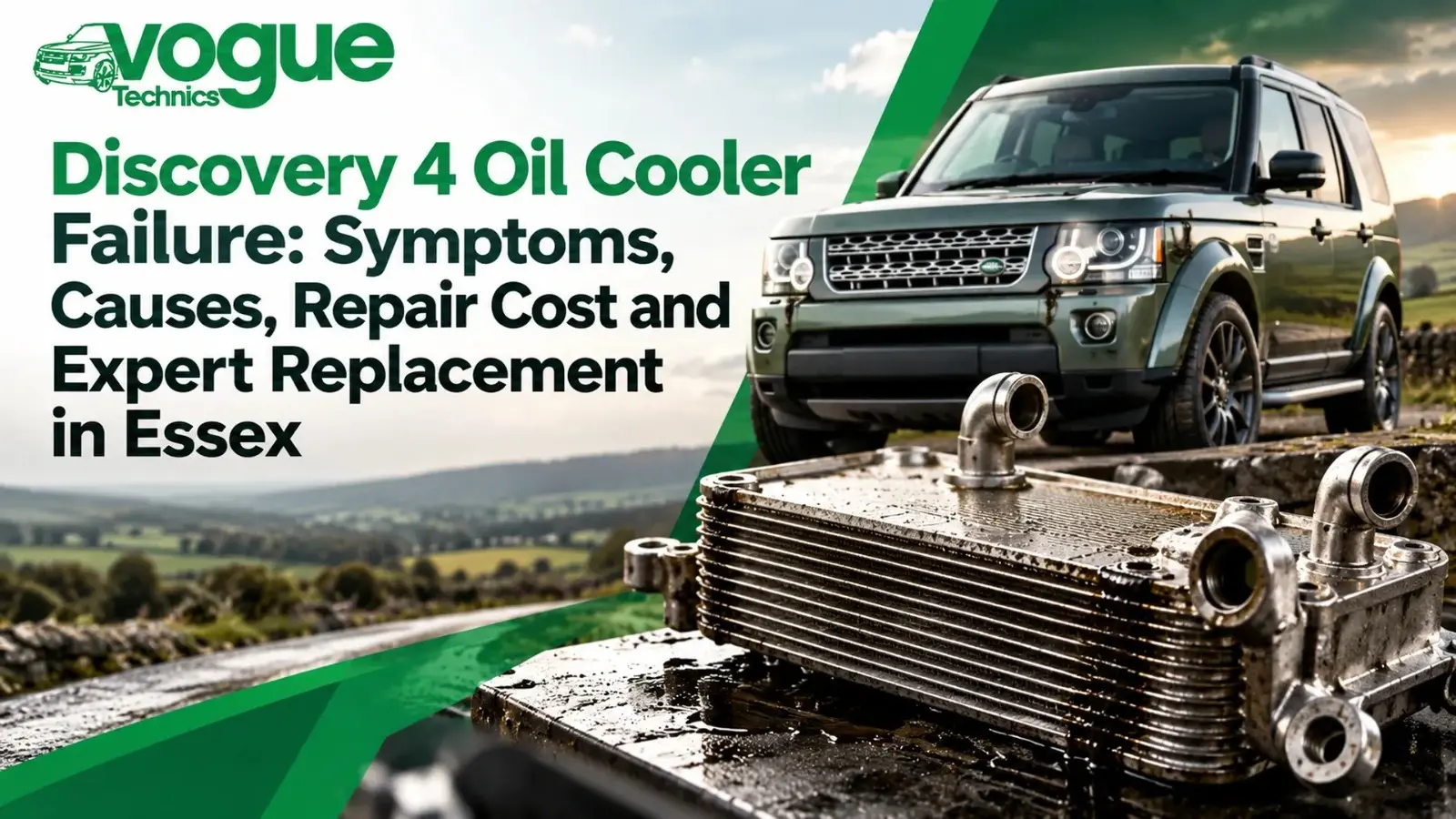
Discovery 4 oil cooler failure can cause oil leaks, coolant contamination, overheating, and serious engine damage. Learn the common symptoms, causes, and warning signs, along with UK replacement cost factors. Find out how professional diagnosis and oil cooler replacement at Vogue Technics in Essex can help prevent expensive engine repairs.
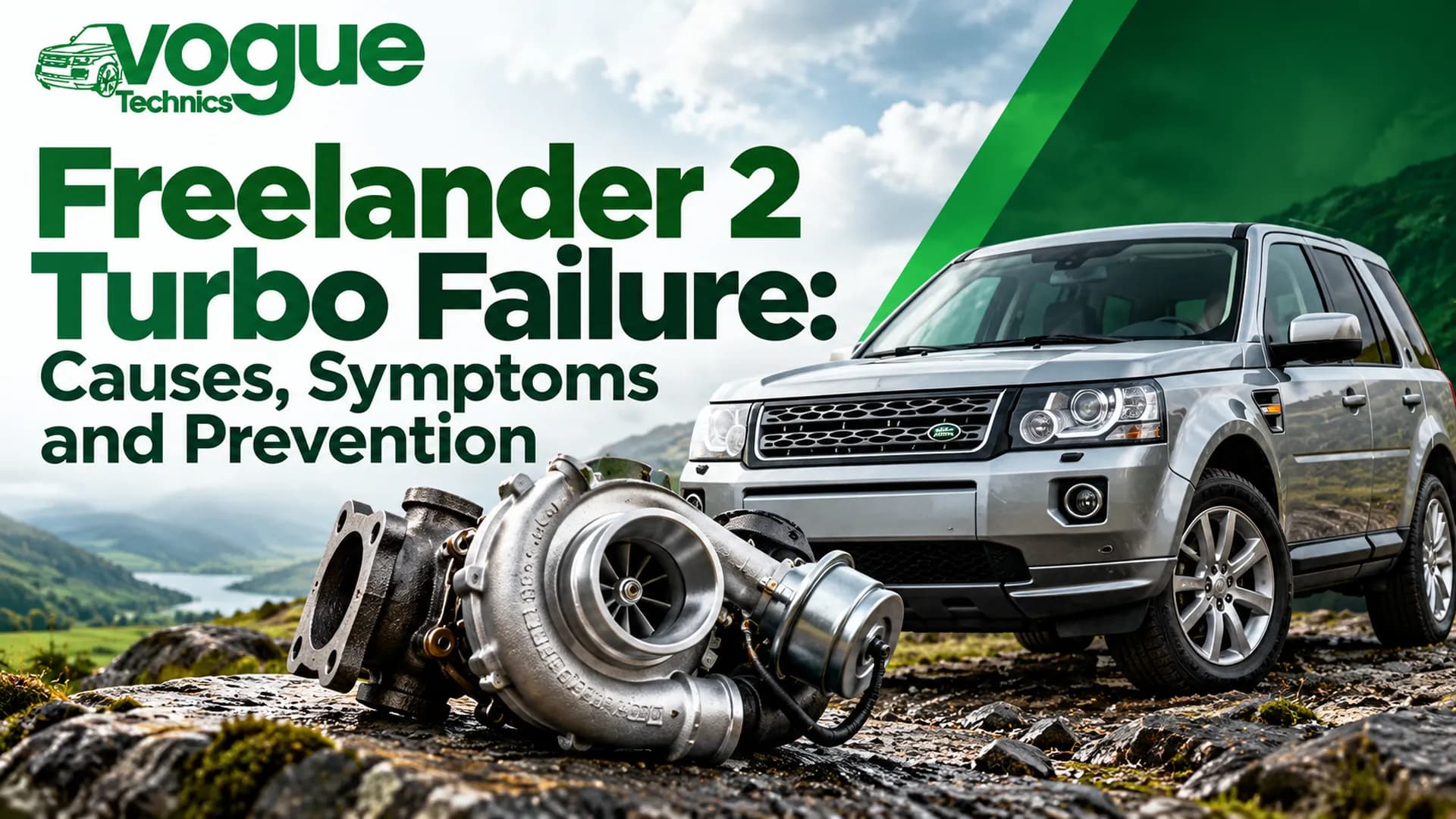
Freelander 2 turbo failure is most common on the 2.2 TD4 and SD4 diesels. The usual causes are a restricted oil supply, sticking variable vanes, actuator wear and DPF back pressure. A rising whine, power loss, smoke and oil in the intercooler pipes are the warning signs to watch for. This guide explains each cause, what to do when symptoms appear and how to help prevent failure.
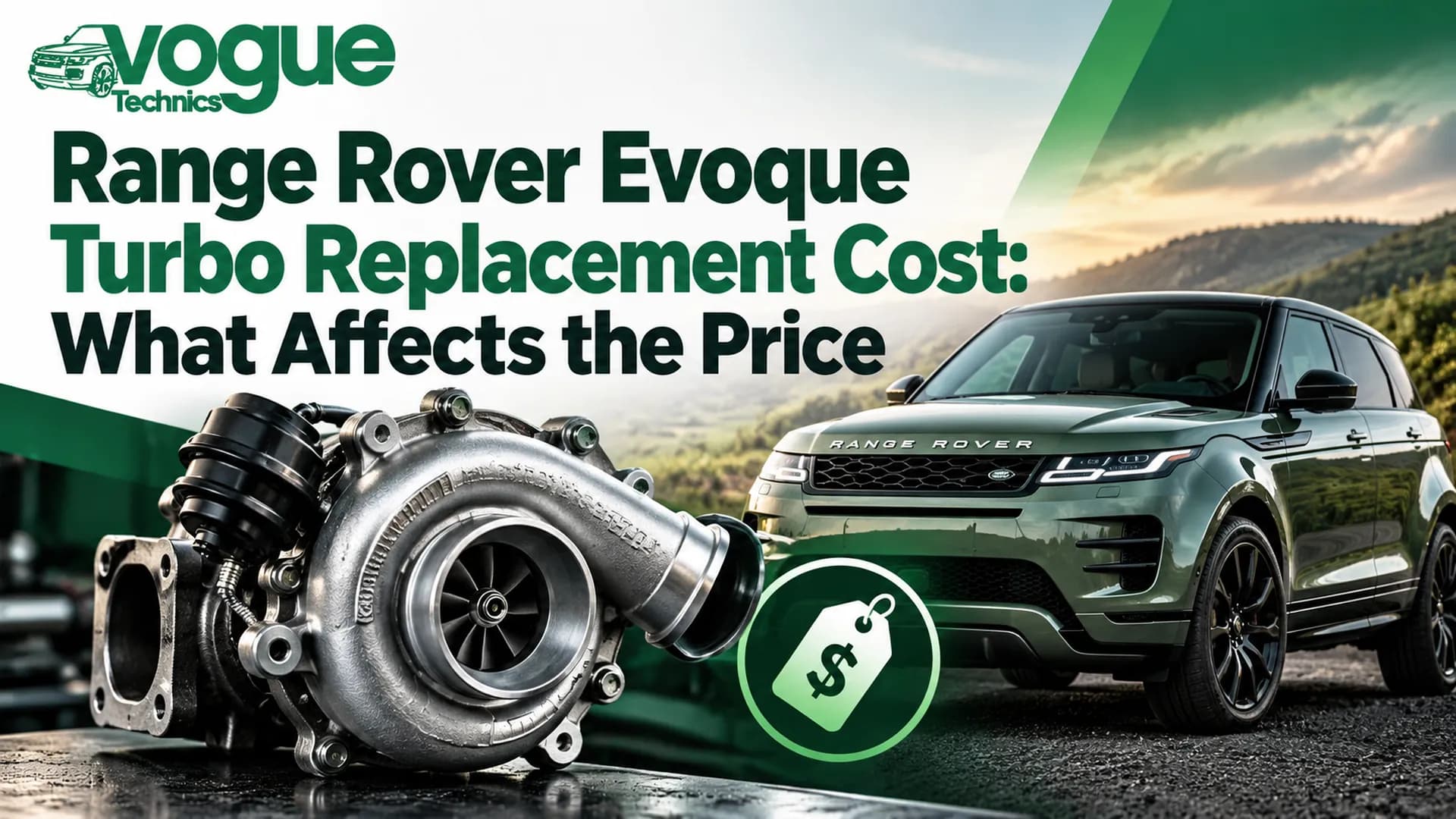
Range Rover Evoque turbo replacement cost depends on your engine, turbo version and the cause of failure. Some 2020–2024 Evoques are covered by a recall on the turbo oil feed pipe, so check that first. Boost leaks, actuators and DPF problems can mimic turbo failure, which is why diagnosis matters. This guide explains each cost factor and lists what an itemised written quote should include.
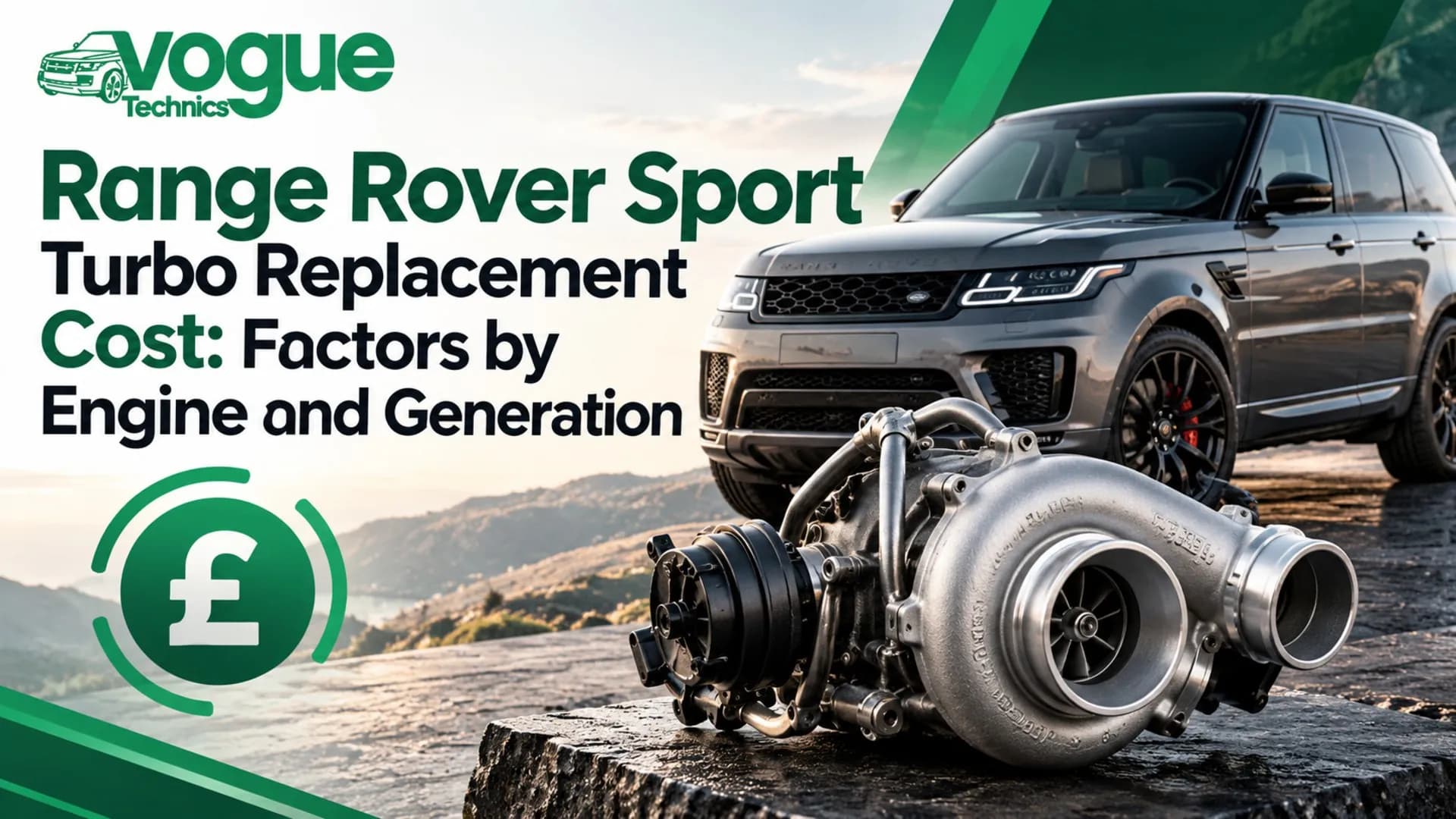
Range Rover Sport turbo replacement cost depends on your engine, whether it has one turbo or two, and which generation it is. The first-generation L320 can have its body lifted for access, while the L494 is a monocoque, so the labour differs. The cause of failure, the oil system and the supporting parts shape the rest of the bill. This guide explains each cost factor and lists what a written quote should include.

Discovery 4 turbo replacement cost depends on which of the two turbos has failed and why. Many turbo symptoms are actually caused by valves, actuators or boost leaks, so diagnosis must come first. Access, the oil system and any extra parts needed all shape the final bill. This guide explains each cost factor and lists what an itemised written quote should include.
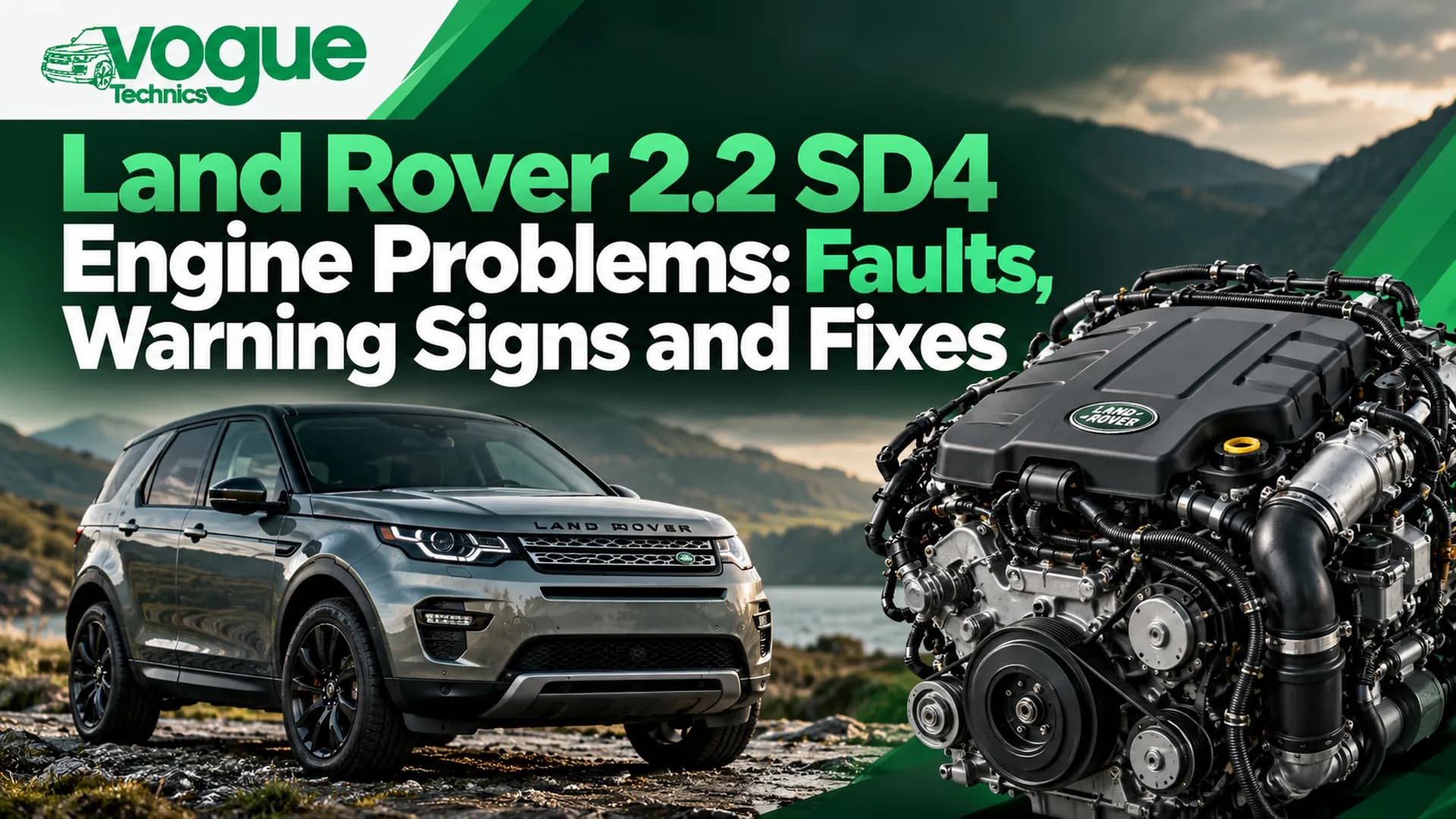
The Land Rover 2.2 SD4 diesel was fitted to the Freelander 2, first-generation Evoque and early Discovery Sport, and its weak points are now well understood. This guide explains the timing belt risk on this interference engine. It also covers turbo oil-feed faults, crankshaft bearing damage, EGR and swirl-flap carbon, injector seals and oil leaks. It ends with a prevention checklist and the warning signs that mean you should stop driving.
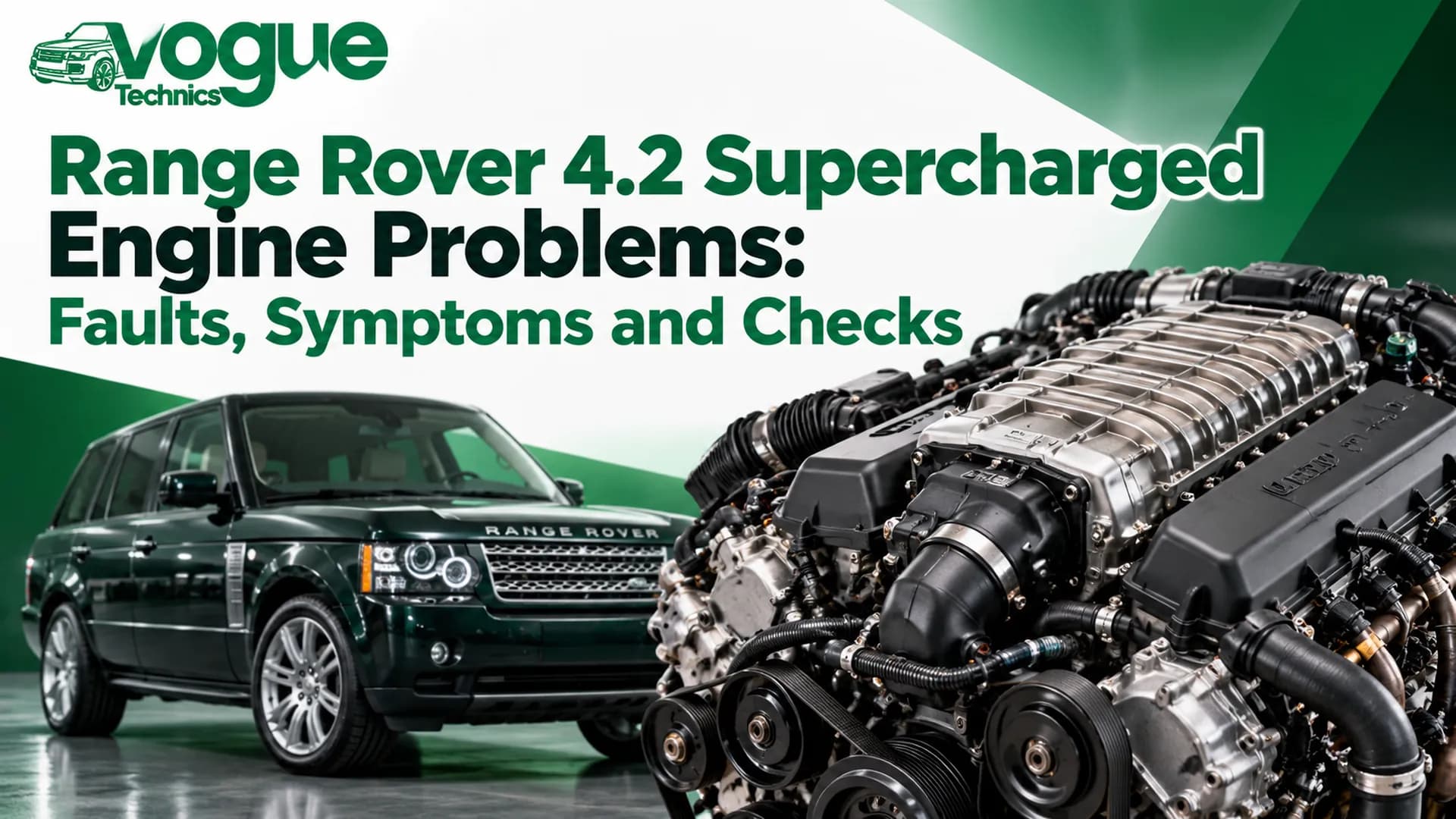
The Range Rover 4.2 supercharged V8 is generally robust when it has been looked after, but most examples are now well over 15 years old. This guide covers the faults owners report most often: timing-chain and guide wear, supercharger rattle, cooling leaks, oil leaks and misfires. It explains the symptoms and the checks to make before buying. It also covers when to stop driving.
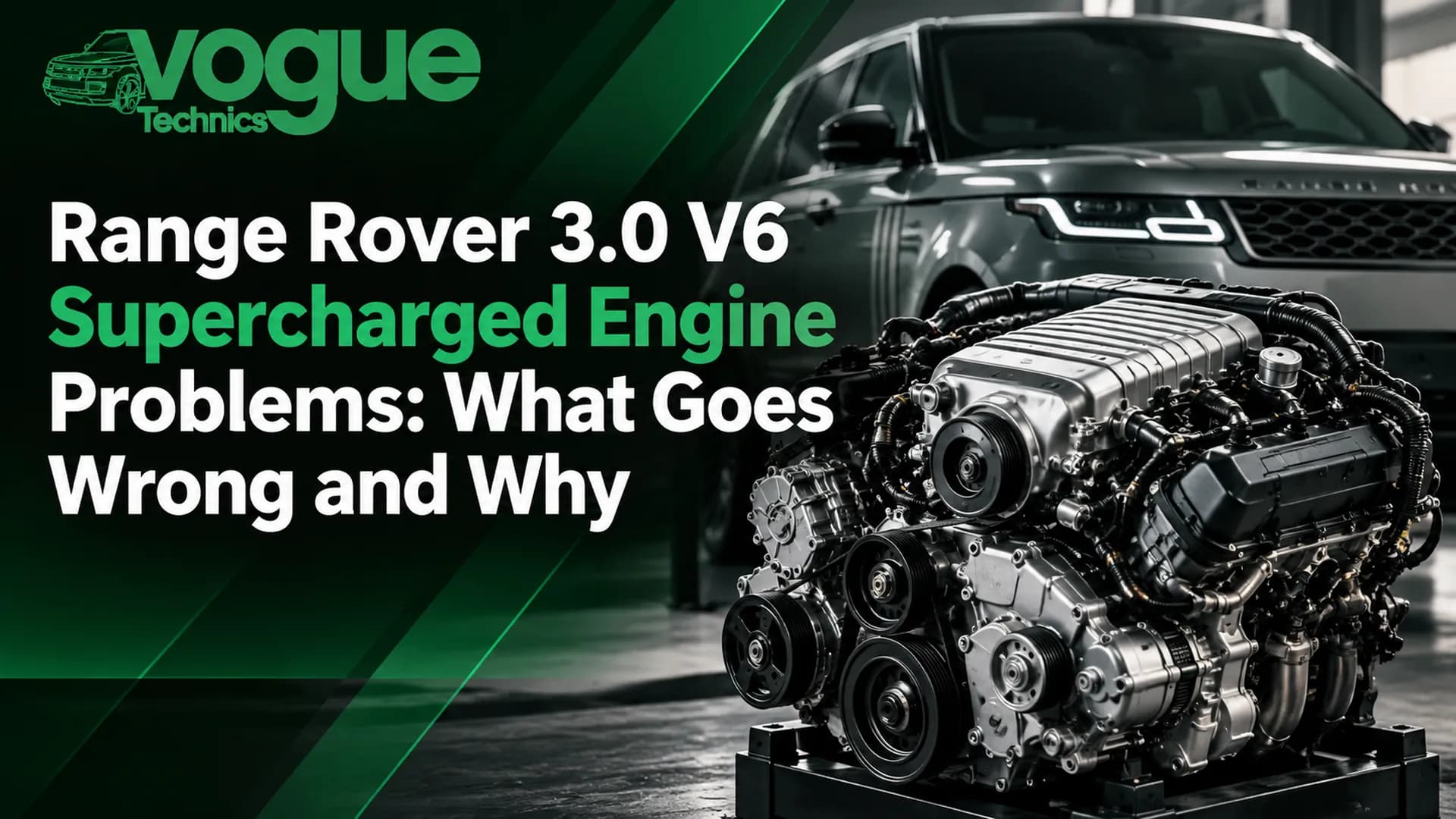
The Range Rover 3.0 V6 supercharged engine is mechanically strong, but its cooling system has a well-known weak spot. A plastic coolant pipe hidden under the supercharger can crack, leading to coolant loss with no visible leak, misfires and, eventually, overheating. This guide explains that fault, along with water pump leaks, timing chain rattle and supercharger noise. It also covers which warning signs mean you should stop driving.
The Range Rover P400e plug-in hybrid has more systems to go wrong than a standard Range Rover. Owners most often report charging faults, shorter electric range and battery-management issues. On the engine side there is a recall for a water pump belt that can lead to overheating and a fire risk. This guide explains each problem, what to check before buying, and when to stop driving.