Range Rover 3.0 V6 Supercharged Engine Problems: What Goes Wrong and Why
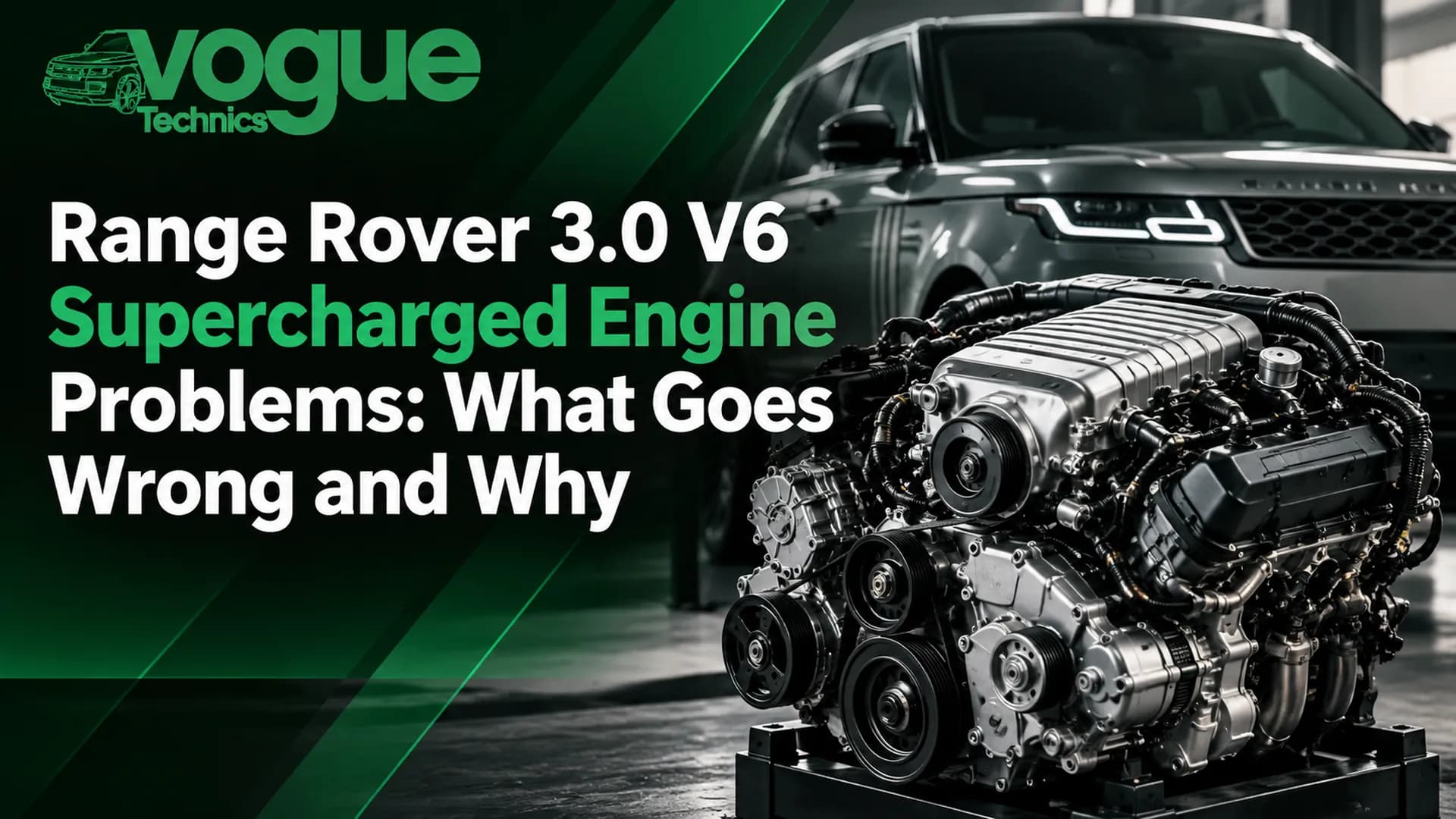
The 3.0 supercharged V6 petrol engine is generally regarded as one of the tougher engines Land Rover has used. Its weak points are well known, though, and most of them involve the cooling system.
The most reported problem with the Range Rover 3.0 V6 supercharged engine is a plastic coolant pipe hidden under the supercharger, which cracks with age. Because the leak is out of sight, coolant can disappear without a drip ever appearing under the car. Left unchecked, it can cause misfires and overheating.
Other reported issues are:
- water pump leaks;
- timing-chain rattle;
- noise from the supercharger drive.
Most of these can be repaired before they cause serious engine damage.
Where the 3.0 Supercharged V6 Was Used
Engine Basics
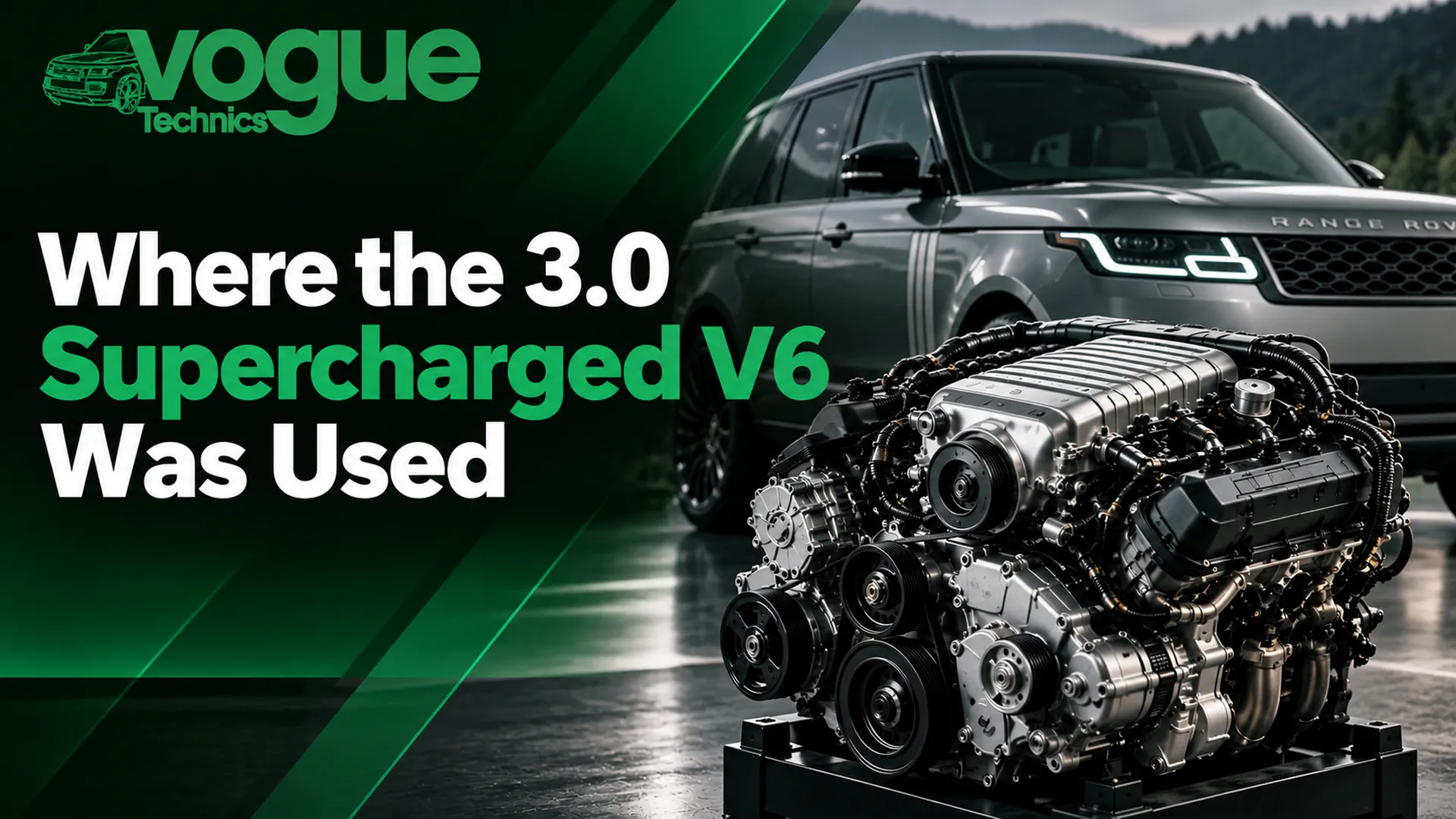
The 3.0-litre supercharged V6 is a petrol engine from JLR's AJ engine family. It shares much of its design with the supercharged 5.0 V8.
Model | Badges | Approx. years |
| Range Rover (L405) | 3.0 V6 Supercharged | 2013–late 2010s |
| Range Rover Sport (L494) | 3.0 V6 SC, HSE Dynamic, P340/P380 | 2013–late 2010s |
| Range Rover Velar | P380 | 2017–2020 |
| Discovery 5 | Si6 | 2017–2020 |
These years are approximate. From around 2019–2020, the V6 was gradually replaced by the straight-six Ingenium petrol, badged P360 and P400. That later engine is a different design, so the faults below do not automatically apply to it.
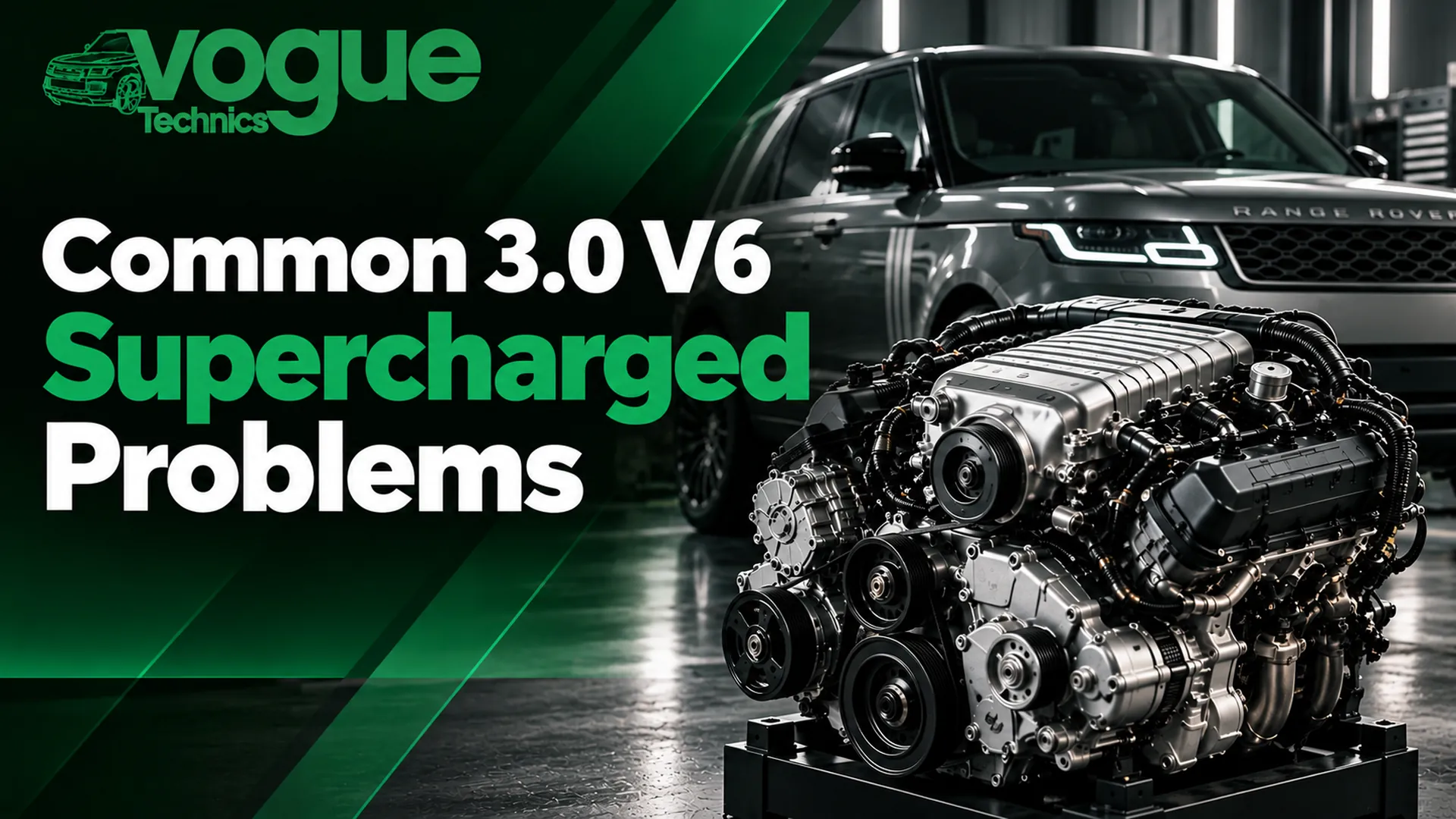
The supercharger sits in the "V" between the two cylinder banks. That is why parts underneath it, especially coolant pipes, are hard to inspect and expensive to reach.
Common 3.0 V6 Supercharged Problems
Coolant Leaks Under the Supercharger
The coolant crossover pipe
- What it is: a plastic coolant pipe that sits in the V beneath the supercharger.
- What goes wrong: after years of heating and cooling, the plastic becomes brittle and cracks.
- Symptoms (JLR Engines):
- a sweet smell of hot coolant after driving;
- the coolant level falling, with no puddles under the car;
- misfires once coolant collects in the spark plug wells;
- overheating if the loss is ignored.
- Why it is misdiagnosed: because the leak is hidden, it can be mistaken for a sensor fault or a head gasket failure.
- The repair: remove the supercharger and fit an updated pipe, usually made of aluminium or a reinforced material.
- Indicative cost: JLR Engines estimates £1,200–£1,800 at a UK specialist. VAT status is not stated, and this is not a Vogue Technics price.
Water pump and other plastic pipes
- A Vancouver workshop pressure-tested a 2015 Range Rover Sport 3.0 V6 and found several leaks on the same engine: the water pump, cracked plastic intake coolant pipes (replaced with aluminium), and a seeping oil cooler gasket (Pawlik Automotive).
- Engines like this can have more than one leak at a time. Fixing one can reveal the next.
A cheaper repair while the engine is open
Several components sit in the same area. Specialists often recommend replacing the water pump and thermostat, and checking the supercharger coupler, while the supercharger is removed. That way the labour is only paid once.
Timing Chain, Supercharger Noise and Other Faults
Timing chain rattle
- Timing-chain rattle has been reported on higher-mileage 3.0 V6 engines.
- A rattle on cold start that fades as oil pressure builds should be checked promptly.
- Vogue Technics offers timing chain replacement for Range Rover V6 and V8 petrol engines.
Supercharger drive noise
- A rattle or chatter from the front of the supercharger, especially at idle, can come from the coupler (isolator) in the supercharger nose.
- This is a separate repair from the engine itself. It is often done at the same time as the coolant pipe work, because the access is the same.
Overheating damage
- The real risk from coolant leaks is overheating, not the leak itself.
- Running an aluminium engine hot can warp the cylinder heads or damage the head gaskets.
- If overheating has already happened, pressure and combustion-gas testing should confirm whether a head gasket replacement is needed.
Diagnosis and When to Stop
Warning Signs and Repair Routes
Symptom | Likely area | Action |
| Coolant level falling, no puddles | Crossover pipe or pipes under the supercharger | Pressure test; inspect the V with a borescope |
| Sweet smell after driving | Coolant leak onto hot parts | Book promptly |
| Misfire, especially after a coolant loss | Coolant in the spark plug wells | Stop using the car until checked |
| Cold-start rattle | Timing chain or tensioner | Book an inspection |
| Front supercharger chatter at idle | Supercharger coupler | Book an inspection |
| Temperature gauge rising | Any coolant fault | Stop immediately |
Stop and arrange recovery if:
- the temperature gauge rises;
- steam appears;
- the low-coolant warning appears and coolant is visibly lost;
- the engine misfires heavily.
Vogue Technics' engine diagnostics and health check covers:
- the cooling system and coolant condition;
- the timing assessment;
- fault codes;
- a written report.
If an engine has been seriously overheated and its internal parts are damaged, an engine rebuild may be the next step.
Frequently Asked Questions
3.0 V6 Supercharged Engine Problems FAQs
What is the most common problem with the Range Rover 3.0 supercharged V6?
A cracked plastic coolant crossover pipe under the supercharger. It causes hidden coolant loss and, if ignored, misfires and overheating.
Is the 3.0 supercharged V6 reliable?
It is generally regarded as strong mechanically. Its cooling-system plastics need watching, and the timing chain should be checked on high-mileage engines.
How much does it cost to fix the coolant crossover pipe?
One UK specialist estimates £1,200–£1,800, mainly because the supercharger has to be removed. Replacing the water pump and thermostat at the same time can add to the bill but save labour later.
Why is my Range Rover losing coolant with no leak visible?
On the 3.0 supercharged V6, the leak is often under the supercharger, out of sight. A pressure test and borescope inspection can confirm it.
Is the 3.0 supercharged V6 the same as the P400 straight-six?
No. The later P360 and P400 engines are Ingenium straight-sixes with mild-hybrid technology. They are a different design with their own maintenance needs.